August 3, 2018 -
Thirty years ago, the Institute for Southern Studies published a special issue of Southern Exposure magazine on the human rights crisis along the U.S. border with Mexico. Here we reprint "Valley So Low," about how asylum seekers from civil war-ravaged Central America were being arrested and held in immigrant detention centers in Texas — a story that sheds light on U.S. immigration policy today.
August 3, 2018 -
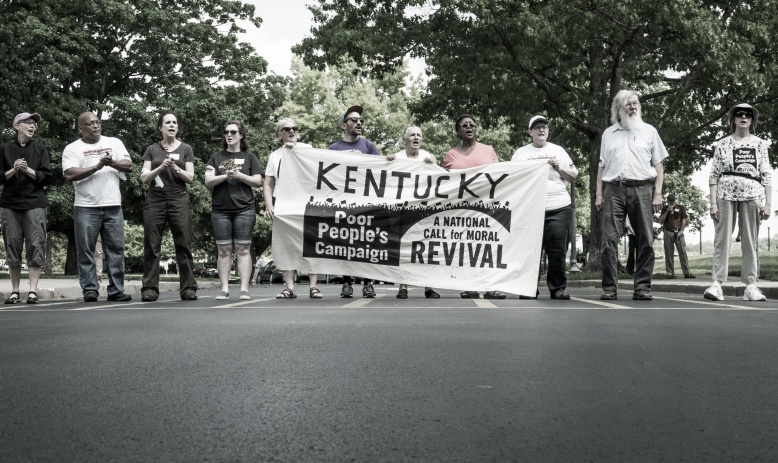
No chapter of the national Poor People's Campaign has faced bigger barriers in confronting state officials than Kentucky's, but it's soldiering on with a focus on voter mobilization and political education.
August 2, 2018 -
State supreme court seats across the South are up for grabs this year, and contributions are pouring into partisan races. What does the research tell us about the effects of big-money politics on the judiciary?
July 30, 2018 -
North Carolina lawmakers recently called a special session to make major changes to election ballots. The changes aim to influence the outcome of the state Supreme Court election and referenda on constitutional amendments that would give the legislature more power.
July 26, 2018 -
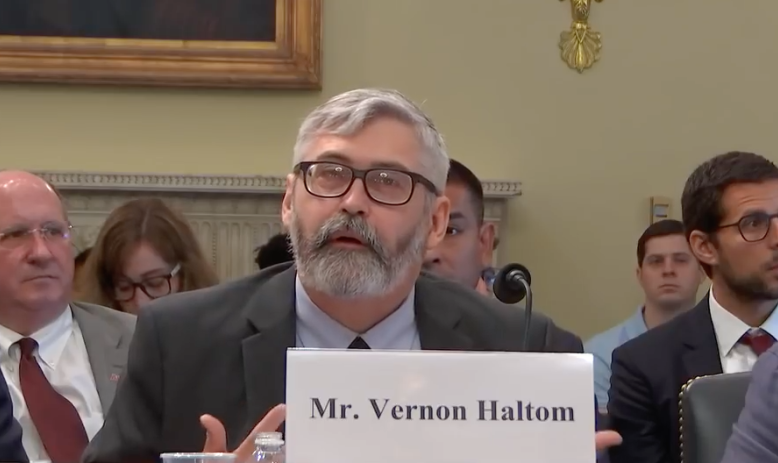
Vernon Haltom of West Virginia's Coal River Mountain Watch was among those who testified about coal's future before a congressional subcommittee this week. The testimony of Haltom — whose group is working to end mountaintop removal mining in Appalachia — details what boosting coal means for the communities where it's extracted.
July 20, 2018 -
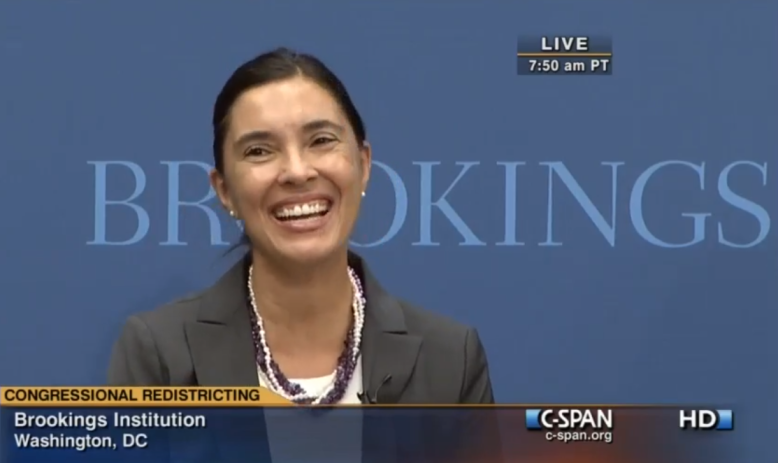
With President Trump nominating a judge with a record of hostility to voting rights to the U.S. Supreme Court, state courts and constitutions are likely to play an increasingly critical role in protecting those rights — but those institutions are under political assault by conservatives.
July 20, 2018 -
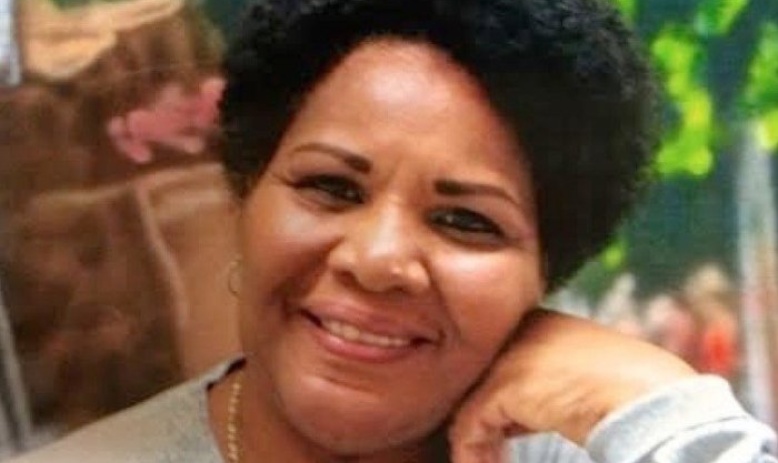
President Trump recently commuted the federal prison sentence of Alice Marie Johnson of Tennessee, who was serving life without parole for a first-time, nonviolent drug offense. The move came after a decade of effort by criminal justice reform advocates, who now see hope for more systemic change in a bill that's been introduced in Congress by a key GOP leader.