north carolina
May 12, 2023 -
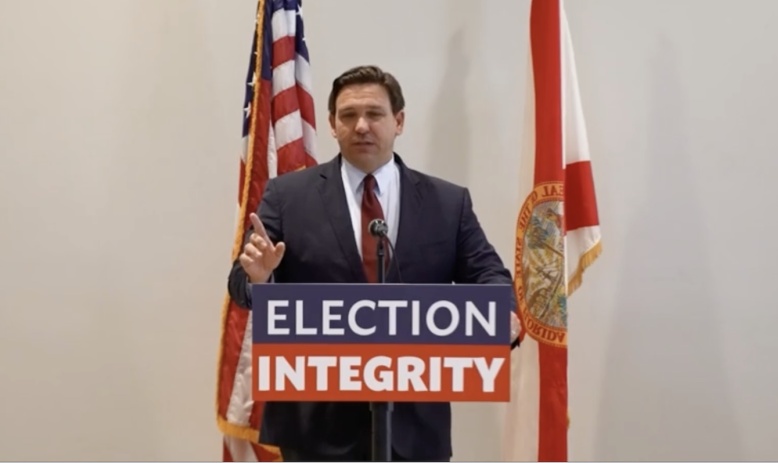
Some states have taken steps to restore voting rights for people with felony convictions, but Republican officials in places including Florida and North Carolina later reversed the reforms. Proponents of permanent disenfranchisement say it promotes respect for the law, but a growing body of evidence suggests that such policies make their targets more likely to break it again.
March 15, 2023 -
When it comes to protecting North Carolina schoolchildren from the widespread industrial PFAS pollution in the state's drinking water, the burden falls on parent-advocates, the state's cash-strapped school systems, and municipal water systems often unprepared to address the threat.
February 10, 2023 -
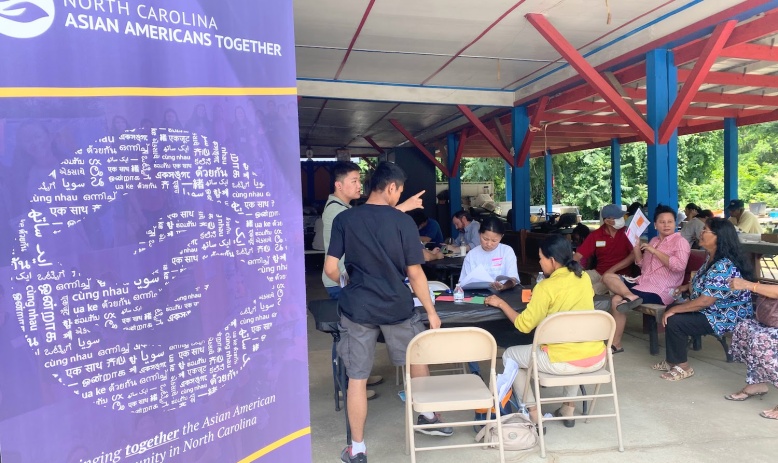
Asian Americans are the fastest growing racial group in the United States, and a recent report from University of North Carolina researchers shows their population is diverse and growing rapidly in the Southeast — and in North Carolina in particular.
January 27, 2023 -
The North Carolina Utilities Commission's newly adopted plan to limit Duke Energy's climate-disrupting pollution calls for new gas-burning plants — even though they leak methane, a greenhouse gas that in the short term is even more potent than carbon. Forty-five scientists recently called Duke's planned gas expansion "entirely indefensible from a climate and public health perspective," and advocates vowed to fight the proposed plants.
November 4, 2022 -
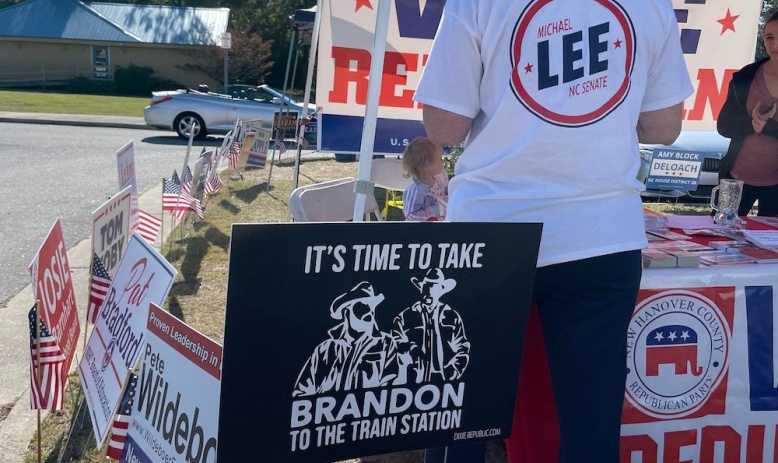
The same day President Biden delivered an address on looming threats to U.S. democracy, a local Republican Party information booth at an early voting site in North Carolina displayed a sign calling in coded language for his assassination — part of a pattern of increasingly violent words and actions from the American right.
October 27, 2022 -
In 1984, Mab Segrest reported on the Ku Klux Klan's activities in North Carolina public schools in the context of the wider conservative backlash against racial integration and that year's elections. We republish her Southern Exposure report amid another conservative political backlash against public schools, which the Klan is using for its own purposes.
October 6, 2022 -
On Oct. 19, the Eastern Band of Cherokee Indians in North Carolina will celebrate Honoring Long Man Day — a call to environmental action rooted in traditional concepts of rivers as living beings.